
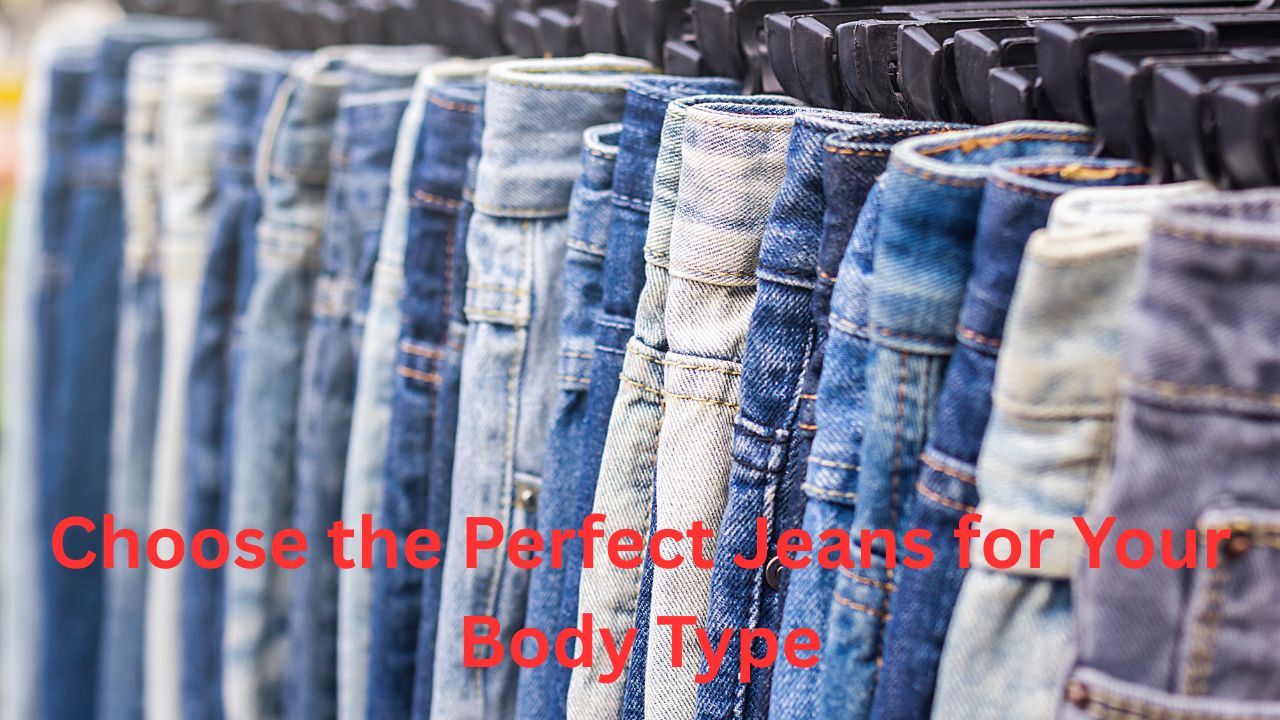
Jeans are one of the most versatile pieces of clothing, but finding the perfect pair can sometimes feel challenging. The right jeans should complement your natural proportions, provide comfortable movement, and create a balanced overall appearance. Instead of focusing only on current fashion trends, consider your body shape, preferred fit, rise, fabric, and lifestyle. Understanding these factors makes it easier to choose denim that looks polished and feels comfortable. Whether you prefer skinny, straight, bootcut, wide-leg, or relaxed jeans, the goal is to find a style that works with your proportions and personal taste.
Understand Your Body Shape
Before buying jeans, identify your general body shape. Common categories include pear, apple, hourglass, rectangle, and inverted triangle. These descriptions are not strict rules because every body is unique, but they can help you understand which cuts may create visual balance. Look at your shoulders, waist, hips, and legs rather than focusing on clothing sizes. Two people wearing the same size can have completely different proportions and require different denim styles. Once you understand your proportions, you can experiment with various rises, leg shapes, washes, and pocket placements to discover what makes you feel confident.
Best Jeans for Pear-Shaped Bodies
Pear-shaped bodies typically have hips that are wider than the shoulders. Jeans that create balance between the upper and lower body can work particularly well. Bootcut and straight-leg jeans are popular choices because their structured leg shape can complement wider hips without appearing overly tight around the lower body. High-rise styles can also provide comfortable waist coverage and create a defined silhouette. Look for denim with some stretch around the hips and thighs. Avoid choosing jeans based solely on the waist measurement, because a pair that fits the waist may feel restrictive around the hips. Curvy-fit denim can provide a better overall fit.
Choosing Jeans for Apple-Shaped Bodies
Apple-shaped figures often carry more fullness around the midsection, so comfort around the waist is especially important. Mid-rise and high-rise jeans can provide useful support while creating a smooth transition between the waist and hips. Straight-leg and relaxed-leg jeans are versatile options that can provide a balanced appearance. Stretch denim may improve comfort, especially when sitting or moving throughout the day. Avoid overly tight waistbands that dig into the skin. Instead, prioritize a secure but comfortable waistband and a fabric that maintains its shape without feeling restrictive.
Ideal Jeans for Hourglass Figures
Hourglass figures generally have a defined waist with relatively balanced bust and hip proportions. Jeans that follow the natural waist can emphasize this balanced shape. High-rise and contoured-waist styles are excellent options because they can sit securely at the narrowest part of the waist. Straight-leg, bootcut, flare, and fitted jeans can all work well depending on personal preference. Look for denim with enough stretch to accommodate the hips without creating excessive gaps at the back of the waistband. Curvy jeans with a shaped waistband can be particularly useful for achieving a comfortable, flattering fit.
Finding Jeans for Rectangle Body Shapes
Rectangle body shapes tend to have relatively similar shoulder, waist, and hip measurements. Jeans can be used to create the appearance of additional definition or simply enhance the body’s natural proportions. High-rise jeans can visually define the waist, while straight-leg, mom, flare, and wide-leg styles can add dimension. Details such as distinctive pocket designs, contrast stitching, cuffs, or lighter washes can also create visual interest. However, there is no need to follow a specific rule. If you prefer minimalist clothing, a classic straight-leg jean in a dark wash can create a sleek and timeless look.
Jeans for Inverted Triangle Shapes
Inverted triangle body shapes generally have broader shoulders compared with the hips. Jeans that add visual interest and volume around the lower body can help create a balanced outfit. Wide-leg, flare, bootcut, and relaxed jeans are excellent styles to experiment with. Lighter washes, subtle distressing, larger pockets, and decorative details can also draw attention toward the legs and hips. Pairing these jeans with a relatively simple top can create a harmonious overall appearance. The best choice ultimately depends on your comfort level and the type of silhouette you enjoy wearing.
Choose the Right Jeans Rise
The rise refers to the distance between the crotch and the top of the waistband. Low-rise, mid-rise, and high-rise jeans each create a different fit and visual effect. High-rise jeans sit closer to the natural waist and can provide greater coverage, while mid-rise jeans offer a versatile middle ground. Low-rise jeans sit lower on the hips and can create a more casual or retro-inspired appearance. When selecting a rise, consider your torso length, preferred styling, comfort, and the types of tops you normally wear. A well-fitting rise should stay securely in place without digging into your body.
Select the Best Leg Shape
The leg cut dramatically affects how jeans look on your body. Skinny jeans closely follow the legs, while straight-leg jeans maintain a consistent width from the knee downward. Bootcut jeans gradually widen toward the hem, and flare jeans have a more pronounced widening below the knee. Wide-leg jeans offer a relaxed silhouette with generous space through the leg. When choosing between these options, consider both your proportions and lifestyle. For example, straight-leg denim works well for everyday outfits, while wide-leg or flare jeans can make a stronger fashion statement.
Consider the Fabric and Stretch
Denim composition affects comfort, durability, and shape retention. Traditional rigid denim can provide structure and develop a distinctive appearance over time, while stretch denim can offer greater flexibility. A small amount of elastane or another stretch fiber can make jeans more comfortable around the waist, hips, and thighs. However, excessive stretch may cause denim to lose its shape more quickly. When shopping, check the fabric composition and think about how you will use the jeans. Everyday denim should allow comfortable walking, sitting, and bending without feeling excessively loose after several hours.
Pay Attention to Pocket Placement
Back pockets can influence how the seat of your jeans appears. Medium-sized pockets placed appropriately on the back can create a balanced appearance. Pockets that are positioned too low may visually lengthen the seat, while very small or widely spaced pockets can change its perceived proportions. Decorative stitching and flap details can also attract attention. Rather than following rigid rules, compare different pocket designs in a fitting room or mirror. Choose the arrangement that feels natural and complements your personal style.
Pick the Right Jeans Length
The correct inseam length depends on the leg style, footwear, and overall look you want. Straight-leg jeans often work well when they end around the ankle or slightly below it. Bootcut and flare jeans typically look best when they reach close to the top of the shoe without dragging on the floor. Cropped jeans can highlight footwear and create a casual appearance. When trying jeans, wear the shoes you are most likely to pair with them. This helps you judge the hem accurately and prevents buying denim that is too short or unnecessarily long.
Choosing the Right Denim Wash
The color and wash of your jeans can significantly influence an outfit. Dark indigo and black denim generally create a polished, versatile appearance suitable for work-casual and evening outfits. Medium and light washes often feel more relaxed and casual. Faded areas can draw attention to specific parts of the legs, while uniform dark washes create a streamlined appearance. Consider your existing wardrobe before selecting a wash. A versatile dark or medium-blue pair is often a practical starting point, while lighter, gray, white, or colored denim can expand your style options later.
Avoid Buying Jeans Based Only on Size
Jean sizing varies considerably between brands, cuts, and fabrics. A size that fits perfectly in one brand may feel completely different in another. Instead of relying exclusively on the number or letter on the label, focus on how the jeans actually fit your body. Check the waistband, hips, thighs, rise, seat, and leg length. You should be able to move comfortably without excessive pulling or bunching. If possible, try several sizes of the same style. Finding the right jeans is about achieving the correct proportions and comfort rather than reaching a particular size.
Try Jeans With Different Shoes
Footwear can change the appearance of jeans dramatically. Sneakers create a casual look, while boots can complement bootcut or straight-leg denim. Heels can work particularly well with longer flares and wide-leg jeans, while sandals may pair naturally with cropped styles. When testing jeans, consider the shoes you regularly wear. The hem should work with your footwear rather than requiring constant adjustment. If you frequently switch between flat shoes and heels, consider owning different inseam lengths or choosing a versatile ankle-length style.
Consider Your Personal Style
Body-shape guidelines are useful, but personal style should always be part of the decision. You may love a particular silhouette even if it does not match conventional styling advice. Fashion should help you express yourself rather than restrict your choices. Experiment with different denim cuts, washes, rises, and details. Try styles outside your usual comfort zone and evaluate how they feel when you walk, sit, and move. Confidence is an important part of looking stylish, so the best jeans are ultimately the ones that fit comfortably and make you feel good.
Common Jeans-Fitting Problems
Several common fitting problems can indicate that a pair of jeans is not right for you. A waistband gap may mean the jeans are too large at the waist or that a contoured fit would work better. Horizontal wrinkles can indicate that the jeans are too tight, while excessive fabric around the hips may mean the cut is too loose. A waistband that digs into your skin is another warning sign. Do not assume these problems will disappear after wearing the jeans repeatedly. Choose a different size, rise, or cut when necessary.
Build a Versatile Denim Collection
You do not need dozens of pairs of jeans to create a useful wardrobe. Start with versatile styles that suit your lifestyle and existing clothing. A dark straight-leg pair can work for polished everyday outfits, while a medium-wash relaxed or classic jean can handle casual occasions. Depending on your personal taste, you can then add wide-leg, bootcut, flare, or cropped styles. Different washes and silhouettes provide variety without requiring an oversized wardrobe. Prioritize quality, comfort, and versatility when building your denim collection.
Final Thoughts on Choosing the Perfect Jeans
Choosing the perfect jeans for your body type becomes easier when you focus on proportions, comfort, fabric, rise, leg shape, length, and personal style. There is no single denim style that works for everyone, and traditional body-shape rules should be treated as helpful suggestions rather than strict requirements. Try different cuts and evaluate how each pair feels when you move through everyday activities. The ideal jeans should fit comfortably, maintain their shape, and complement the clothes and shoes you already own. With a little experimentation, you can build a denim collection that looks stylish and feels confident in every season.




Leave a Reply