
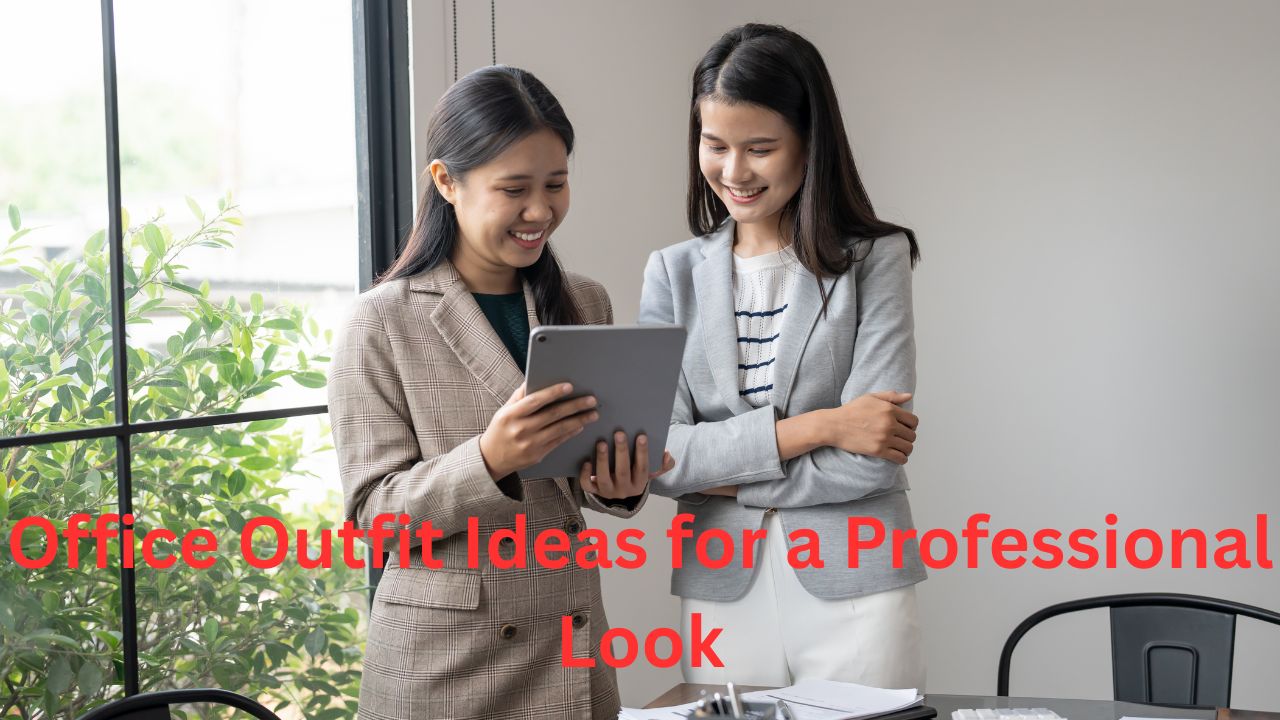
Dressing professionally can make a strong impression at work while also helping you feel confident and prepared. The best office outfits balance comfort, style, and workplace expectations without appearing overly casual or outdated. From tailored trousers and classic shirts to polished dresses and smart layering pieces, there are many ways to create a professional wardrobe. Choosing versatile colors, well-fitted clothing, and appropriate accessories can make everyday dressing easier. Whether you work in a corporate office, creative workplace, or hybrid environment, the right professional outfit can reflect your personality while maintaining a polished appearance.
Choose Well-Fitted Tailored Trousers
Tailored trousers are a foundation of a professional office wardrobe. Choose straight-leg, wide-leg, or slim-cut trousers depending on your body shape and workplace dress code. Neutral colors such as black, navy, gray, beige, and brown are particularly versatile because they pair easily with different tops and blazers. Avoid trousers that are excessively tight, wrinkled, or too long. A properly fitted pair creates a clean silhouette and instantly makes an outfit look more polished. Pair tailored trousers with a tucked-in shirt, blouse, or fine-knit sweater for an effortless professional look.
Wear Classic Button-Down Shirts
A crisp button-down shirt is one of the most versatile pieces for professional dressing. White, light blue, cream, and subtle striped shirts work especially well with trousers, skirts, and tailored suits. For a modern appearance, consider slightly relaxed silhouettes while keeping the overall outfit neat. You can tuck the shirt into trousers or wear it underneath a structured blazer. During warmer weather, lightweight cotton or linen-blend shirts can provide comfort while maintaining a professional appearance. Simple shirts also make excellent layering pieces for creating multiple office outfits.
Invest in a Structured Blazer
A well-tailored blazer can transform a simple outfit into sophisticated office attire. Black, navy, charcoal, camel, and beige blazers are especially practical because they coordinate with many wardrobe pieces. Wear a blazer over a blouse and trousers for a traditional business look, or combine it with a simple dress for a more contemporary style. Pay attention to shoulder fit, sleeve length, and overall proportions. A structured blazer should look polished without restricting movement. Keeping one versatile blazer at work can also help you quickly make a casual outfit more professional when an unexpected meeting arises.
Try Elegant Office Dresses
Office dresses provide a simple way to create a polished outfit without coordinating multiple separates. Sheath, wrap, shirt, midi, and A-line dresses can all work well in professional environments when their length, fit, and neckline are appropriate. Solid colors and subtle patterns tend to create a sophisticated appearance. Pair an office dress with a structured blazer and understated shoes for important meetings. During cooler seasons, add a tailored coat or fine cardigan. Avoid excessively short hemlines, revealing designs, or distracting patterns when dressing for a conservative workplace.
Style Midi Skirts Professionally
Midi skirts offer an elegant alternative to traditional trousers. They can be paired with fitted sweaters, button-down shirts, blouses, or tailored jackets. Neutral shades are ideal for creating multiple combinations, while subtle patterns can add personality to your office wardrobe. Choose a skirt that allows comfortable movement and sits appropriately at the waist. A tucked-in blouse with a belt can create a defined and polished silhouette. For a more formal office environment, combine a midi skirt with a blazer and closed-toe shoes.
Build Outfits Around Neutral Colors
Neutral colors make professional dressing easier because they create a cohesive wardrobe. Black, navy, gray, white, cream, beige, taupe, and brown can be mixed and matched across different outfits. A neutral foundation also allows you to introduce color through accessories, shirts, or subtle patterns without making your appearance overwhelming. For example, navy trousers can be paired with a white shirt and beige blazer, while gray trousers can work with a burgundy blouse. Building your office wardrobe around versatile neutral shades can reduce the number of pieces you need while increasing outfit combinations.
Add Subtle Color and Patterns
Professional clothing does not have to be boring. Adding controlled amounts of color or pattern can make an office outfit more distinctive while maintaining sophistication. Consider muted green, burgundy, dusty blue, deep plum, or soft pink for shirts, blouses, or accessories. Small checks, pinstripes, dots, and understated geometric patterns can also work well. The key is balance. If your blouse has a noticeable pattern, keep the rest of the outfit relatively simple. This approach lets you express your personal style while maintaining a professional appearance.
Choose Comfortable Professional Shoes
Shoes can significantly influence the overall appearance of an office outfit. Loafers, ballet flats, block heels, pumps, ankle boots, and polished low-profile shoes can all complement professional clothing. Choose footwear based on your workplace, daily activities, and comfort requirements. Neutral shades such as black, brown, tan, and navy are easy to coordinate. Avoid shoes that are excessively worn, dirty, or uncomfortable enough to affect your confidence. Comfortable professional shoes are especially important if your job involves commuting, standing, walking between meetings, or spending long hours at the office.
Use Minimal and Elegant Accessories
Accessories should complement your outfit rather than dominate it. A classic watch, simple earrings, a refined necklace, or a structured handbag can add sophistication without creating visual clutter. Belts can also provide definition when worn with trousers, skirts, or dresses. Choose accessories that coordinate with your clothing and workplace environment. For formal offices, understated accessories are generally the safest choice. In creative workplaces, you may have more freedom to experiment with distinctive jewelry, bags, or colors while still keeping your overall appearance polished.
Dress Professionally for Meetings
Important meetings often require a slightly more polished outfit than a typical workday. Consider wearing a tailored blazer, pressed trousers, a sophisticated blouse, or a structured dress. Keep your shoes clean and your accessories understated. For presentations or client meetings, coordinated colors can create a confident and organized appearance. Make sure your clothing is comfortable enough to allow natural movement and avoid constantly adjusting your outfit. Preparing your meeting outfit the night before can also reduce morning stress and ensure that every element looks neat.
Create Smart-Casual Office Outfits
Smart-casual workplaces offer more flexibility, but professional standards still matter. Try combining dark jeans without excessive fading or distressing with a tailored blazer and polished blouse. Chinos, knit tops, loafers, cardigans, and clean minimalist shoes can also create attractive smart-casual combinations. The goal is to look relaxed without appearing unprepared. When uncertain about the dress code, choose a slightly more polished outfit and adjust your style after observing workplace norms. Smart-casual dressing works best when casual pieces are balanced with structured or refined items.
Dress for Different Seasons
Your professional wardrobe should adapt to changing weather while maintaining a polished appearance. During summer, choose breathable fabrics such as cotton, linen blends, and lightweight wool. Dresses, lightweight trousers, and short-sleeve blouses can provide comfort without sacrificing professionalism. In colder months, layering becomes essential. Combine shirts with sweaters, blazers, tailored coats, and scarves. Choose fabrics that provide warmth without creating excessive bulk. Seasonal colors can also refresh your office wardrobe while keeping your basic professional pieces useful throughout the year.
Consider Fit and Fabric Quality
Even an expensive outfit can look unprofessional if it does not fit properly. Clothing should allow comfortable movement without being excessively loose or tight. Pay attention to shoulder seams, trouser length, sleeve length, waist placement, and garment proportions. Fabric quality also affects how polished an outfit looks. Durable materials that resist excessive wrinkling can be especially practical for busy professionals. Regularly inspect your clothing for loose threads, missing buttons, stains, and signs of wear. Simple, well-maintained clothing often looks more professional than expensive pieces that have been poorly cared for.
Create a Capsule Office Wardrobe
A capsule wardrobe can make professional dressing faster and more affordable. Start with versatile essentials such as two or three pairs of tailored trousers, a blazer, several neutral shirts, a dress, a skirt, comfortable professional shoes, and a structured bag. Add a few accent colors and accessories to create variety. The advantage of a capsule office wardrobe is that most pieces can be combined in multiple ways. This reduces decision-making while ensuring that you always have appropriate clothing available for workdays, meetings, and professional events.
Conclusion
The best office outfit ideas combine professionalism, comfort, fit, and personal style. Classic pieces such as tailored trousers, button-down shirts, blazers, midi skirts, and elegant dresses provide a strong foundation for a versatile work wardrobe. Neutral colors make mixing and matching easier, while carefully chosen accessories and accent colors add personality. Most importantly, choose clothing that fits properly, suits your workplace dress code, and allows you to feel confident throughout the day. With a thoughtful collection of professional essentials, creating polished office outfits can become simple, practical, and enjoyable.




Leave a Reply