
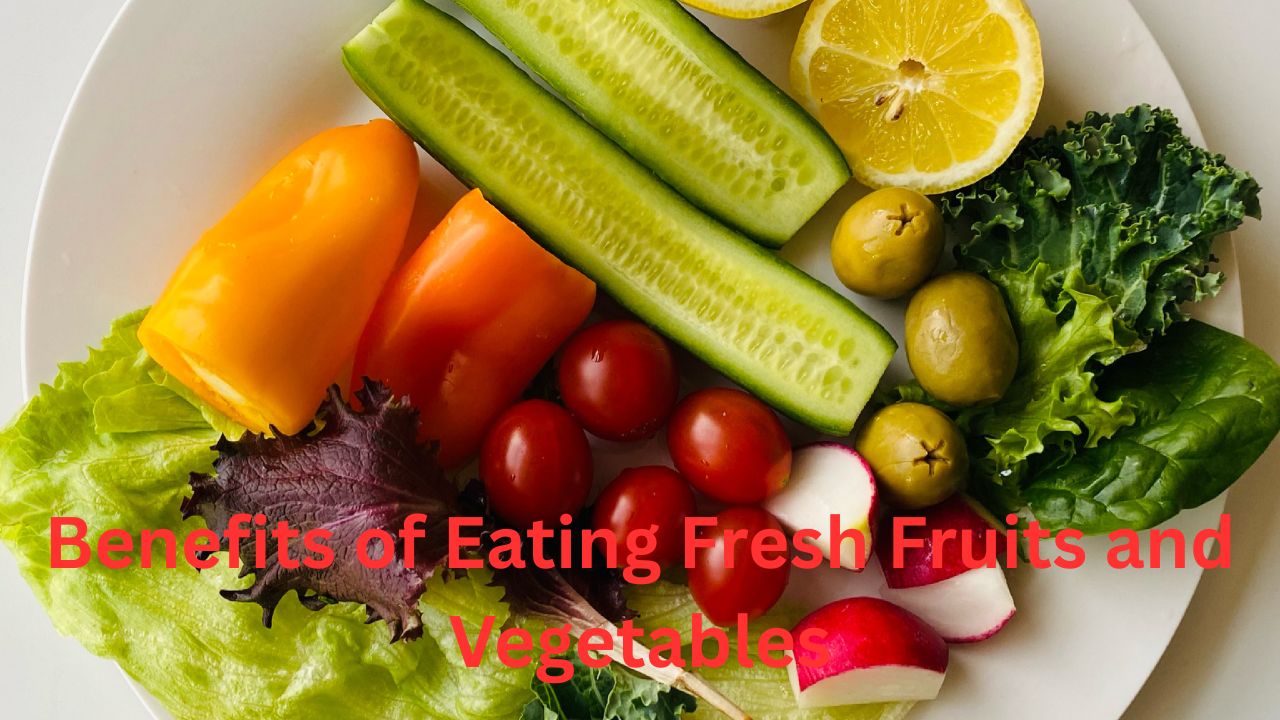
Fresh fruits and vegetables are among the most valuable foods for maintaining a healthy and balanced diet. They provide essential vitamins, minerals, fiber, antioxidants, and natural plant compounds that support many functions in the body. Regularly eating a variety of colorful produce can improve digestion, support immunity, promote heart health, and help maintain a healthy weight. Unlike highly processed foods, fresh produce is generally nutrient-dense while being relatively low in calories. Adding fruits and vegetables to breakfast, lunch, dinner, and snacks is a simple way to increase daily nutrient intake and build healthier eating habits.
Rich Source of Essential Nutrients
Fruits and vegetables provide a wide range of essential nutrients needed for normal body function. Citrus fruits, berries, tomatoes, and leafy greens can provide vitamin C, while carrots, sweet potatoes, and pumpkin contain beta-carotene, which the body can convert into vitamin A. Leafy vegetables can also contribute folate, vitamin K, and minerals. Bananas, potatoes, and several vegetables provide potassium, an important mineral for fluid balance and muscle function. Eating different types of produce throughout the week helps create a more diverse nutrient profile and reduces dependence on a limited selection of foods.
Supports a Strong Immune System
A healthy immune system depends on adequate nutrition, and fresh fruits and vegetables can contribute important nutrients that support immune function. Vitamin C from oranges, guava, strawberries, peppers, and other produce helps protect cells from oxidative stress and supports normal immune activity. Vitamins A and E, folate, and various plant compounds also play important nutritional roles. No single fruit or vegetable can prevent illness, but consistently eating a varied diet rich in produce can help provide the nutrients the body needs to function properly. Combining fruits and vegetables with adequate protein, whole grains, healthy fats, sleep, and regular physical activity creates a stronger foundation for overall wellness.
Improves Digestive Health
One of the major benefits of eating fresh fruits and vegetables is their dietary fiber content. Fiber helps add bulk to stool and supports regular bowel movements, making it an important part of digestive health. Apples, pears, berries, beans, broccoli, carrots, and leafy greens are useful sources of fiber. Certain types of fiber also serve as food for beneficial gut bacteria, which can support a healthy gut environment. Increasing fiber gradually while drinking enough water may help the digestive system adjust comfortably. Choosing whole fruits instead of relying mainly on fruit juices is another effective way to increase fiber intake.
Helps Maintain a Healthy Weight
Fresh fruits and vegetables can be useful for healthy weight management because many varieties provide plenty of volume and nutrients without excessive calories. Their water and fiber content can help meals feel more satisfying. Replacing calorie-dense processed snacks with options such as apples, cucumbers, berries, carrots, or oranges may make it easier to manage overall energy intake. However, healthy weight management is not about eating unlimited amounts of any particular food. Portion sizes, preparation methods, total dietary intake, physical activity, sleep, and individual needs all matter. A balanced eating pattern that includes plenty of produce can support sustainable lifestyle habits.
Supports Heart Health
A diet rich in fruits and vegetables is associated with better cardiovascular health. Many types provide potassium, fiber, antioxidants, and other beneficial plant compounds. Potassium-rich foods can contribute to healthy blood pressure regulation, while fiber can support healthy cholesterol levels as part of an overall balanced diet. Leafy greens, berries, citrus fruits, tomatoes, and colorful vegetables are particularly nutritious choices. Replacing foods high in saturated fat, excessive sodium, or added sugars with nutrient-rich produce can further improve the overall quality of a diet. For long-term heart health, fruits and vegetables work best alongside regular physical activity and other heart-healthy lifestyle habits.
Provides Powerful Antioxidants
Many fruits and vegetables contain antioxidants and other phytochemicals that help protect cells from oxidative stress. Different colors often indicate different plant compounds, which is why eating a colorful selection is a useful strategy. Blue and purple foods such as blueberries and purple cabbage contain anthocyanins, while orange produce often provides carotenoids. Tomatoes contain lycopene, and leafy greens provide various beneficial compounds. Antioxidants should not be viewed as miracle substances or replacements for medical treatment. Instead, regularly consuming a variety of plant foods can contribute to an overall nutrient-rich diet that supports normal body function.
Promotes Healthy Skin
Good nutrition can contribute to healthy-looking skin, and fruits and vegetables provide several nutrients involved in normal skin function. Vitamin C supports collagen production, while carotenoids and other antioxidant compounds help protect cells from oxidative stress. Foods such as oranges, guava, bell peppers, tomatoes, spinach, carrots, and berries can add valuable nutrients to the diet. Adequate hydration is also important for overall health and can complement a nutritious eating pattern. However, skin appearance is influenced by many factors, including genetics, sun exposure, sleep, stress, skincare habits, and age. Fresh produce is best considered one part of a broader healthy lifestyle.
Supports Better Hydration
Many fruits and vegetables have high water content, making them a useful addition to daily hydration. Watermelon, oranges, strawberries, cucumbers, tomatoes, lettuce, and other produce can contribute fluids while also providing vitamins, minerals, and fiber. Although water should remain the primary source of hydration for most people, water-rich foods can complement regular fluid intake. Eating fresh produce can be particularly appealing during warm weather when refreshing foods are desirable. Choosing whole fruits and vegetables instead of sugary drinks also provides nutrients without the large amounts of added sugar commonly found in many sweetened beverages.
May Support Healthy Blood Sugar Management
Whole fruits and vegetables can fit into a balanced eating pattern for people who want to manage blood sugar. Their fiber content can slow digestion and help moderate the impact of carbohydrates on blood glucose compared with many refined, low-fiber foods. Non-starchy vegetables such as leafy greens, broccoli, cauliflower, peppers, and cucumbers are especially versatile choices. Whole fruit can also be nutritious because it contains fiber, water, and naturally occurring sugars. People with diabetes or other blood sugar conditions should consider individual carbohydrate needs and follow guidance from a qualified healthcare professional rather than eliminating fruit unnecessarily.
Supports Stronger Bones
Several fruits and vegetables contribute nutrients that are important for maintaining healthy bones. Leafy green vegetables can provide vitamin K and other nutrients, while some produce contributes potassium and magnesium. Fruits and vegetables can also complement foods that supply calcium and vitamin D. A healthy skeletal system requires more than one nutrient, so eating a varied diet is important. Regular weight-bearing exercise, adequate protein, sufficient calcium and vitamin D, and healthy lifestyle habits also play significant roles. Including vegetables and fruits as part of balanced meals can help create an overall dietary pattern that supports long-term bone health.
May Improve Energy and Daily Performance
Fresh fruits and vegetables can contribute to steady nutrition throughout the day by providing carbohydrates, vitamins, minerals, water, and fiber. Fruits such as bananas, apples, oranges, and berries can make convenient snacks before or between activities. Vegetables can add nutrients and volume to main meals without making them excessively heavy. While fruits and vegetables alone do not provide all the nutrients needed for energy production, combining them with whole grains, protein sources, and healthy fats can create balanced meals. A nutrient-rich diet may also help support normal physical and mental performance when combined with adequate sleep and regular activity.
Supports Long-Term Healthy Eating Habits
Making fruits and vegetables a regular part of meals can encourage a more balanced approach to eating. Adding sliced fruit to breakfast, including vegetables in lunch, serving a salad with dinner, or keeping washed produce available for snacks are practical habits. Variety can prevent meals from becoming boring and increase the range of nutrients consumed. Seasonal produce can also provide opportunities to try new flavors and textures. Rather than attempting to completely change a diet overnight, gradually increasing the amount and variety of fruits and vegetables can make healthy eating easier to maintain over time.
How Many Fruits and Vegetables Should You Eat?
The ideal amount of fruits and vegetables varies according to age, energy needs, activity level, and overall dietary pattern. A useful general approach is to make fruits and vegetables a significant portion of meals while choosing a variety of types and colors. Dietary guidelines in many countries encourage substantial daily intake of vegetables and fruit as part of a balanced diet. Instead of focusing only on an exact number, consider practical goals such as adding vegetables to every main meal and choosing whole fruit for snacks. Individual recommendations may differ, particularly for people with specific medical or nutritional needs.
Tips for Adding More Produce to Your Diet
Increasing fruit and vegetable intake does not have to be complicated. Add berries or sliced banana to oatmeal, include tomatoes and leafy greens in sandwiches, and add mixed vegetables to rice, pasta, soups, or stir-fries. Keep easy-to-eat fruits visible in the kitchen and prepare vegetables in advance for quick meals. Frozen and canned options can also be nutritious alternatives when fresh produce is unavailable, provided you choose options with minimal added salt or sugar. Experimenting with herbs, spices, roasting, steaming, grilling, and salads can make vegetables more appealing and help create meals that are both nutritious and enjoyable.
Conclusion
The benefits of eating fresh fruits and vegetables extend across many areas of health, from digestion and immunity to heart health, hydration, weight management, and overall nutrition. Their combination of fiber, vitamins, minerals, antioxidants, water, and plant compounds makes them valuable components of a balanced diet. Eating a colorful variety is generally more beneficial than relying on only a few favorite foods. Small, consistent changes—such as adding vegetables to main meals and choosing whole fruit for snacks—can make healthy eating easier and more sustainable. For the best results, combine a produce-rich diet with adequate protein, whole grains, healthy fats, physical activity, good sleep, and appropriate medical guidance when needed.






Leave a Reply